Siding With History
You don't have to feel optimistic for optimism to work for you. What actually shapes your results is the position you hold while you feel the fear.

There's a structural reason optimism beats pessimism over the long haul, and it has nothing to do with whether you woke up feeling upbeat or low.
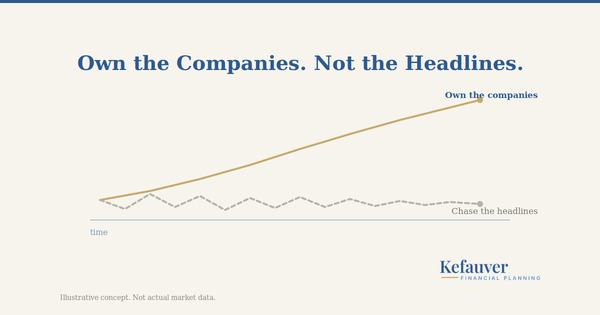
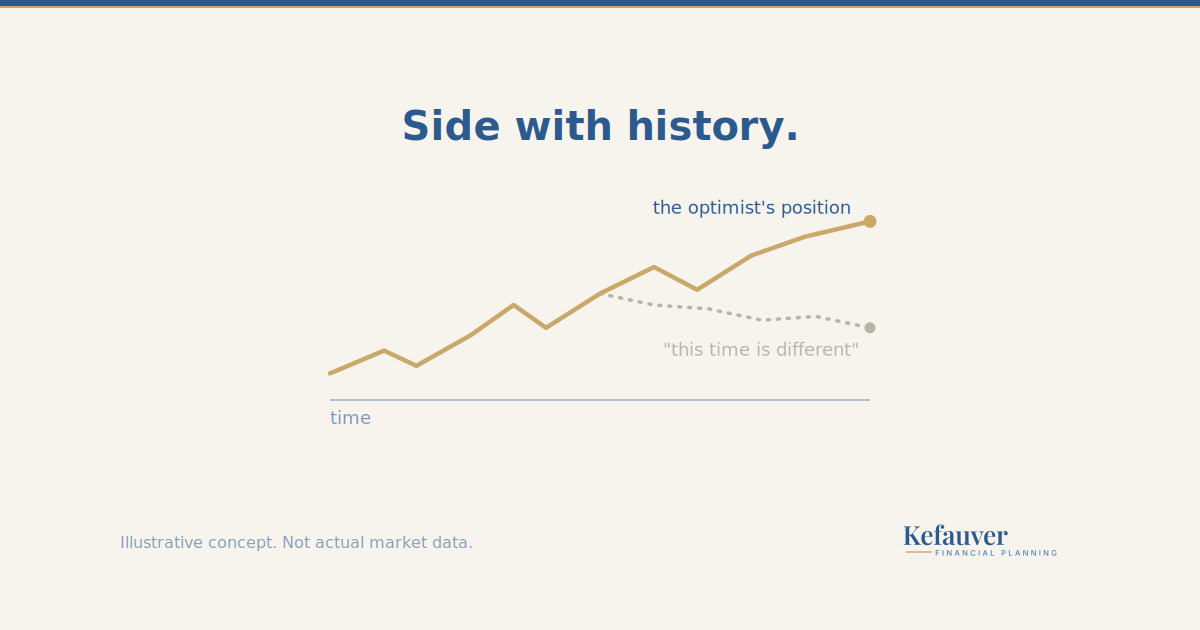
Optimism lines up with how things have actually gone over time: human progress, economic growth, and the markets that ride on top of them. Look back across every decade of modern history and you'll find the same thing. The optimist's side of the argument—that people keep solving problems and pushing forward despite the crises—has paid off better than the alternative, over and over.
The pessimist sees it differently. He's convinced this time is different. That the next crisis is the one that finally breaks the pattern. That human resilience runs out and progress stalls for good. That view sounds awfully reasonable when the news is grim and nobody knows what's coming next. And it has been the losing call again and again.
None of this means ignoring risk or pretending bad things don't happen. The setbacks are real. The optimist knows that. The difference is what he expects over time: that recovery and progress keep going despite the bumps.
That distinction matters more than almost anything else for a long-term investor.
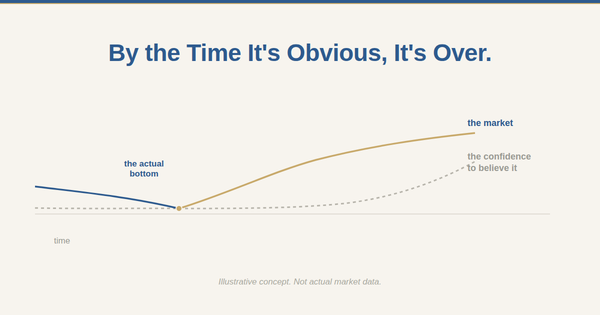
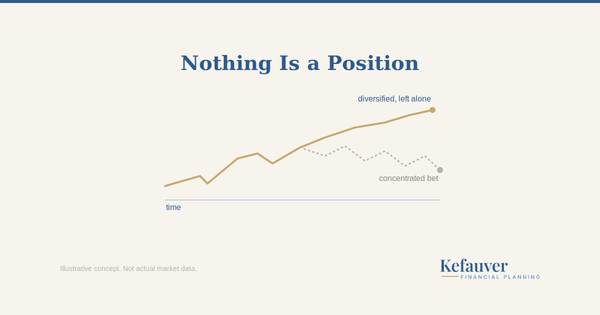
Here's the part people miss. You don't have to feel optimistic for optimism to work for you. You can be worried sick and still hold the optimist's position, and history will still tend to reward you for it. Meanwhile, the pessimist who feels completely confident in his gloom is the one who pays. He sells at the bottom, sits out the recovery, and turns a temporary decline into a permanent loss.
That's the whole game. Feelings are temporary. Crises are temporary. Markets fall and they rise. The economy runs in cycles. What actually shapes your results is the position you're holding while you feel all that fear and doubt.
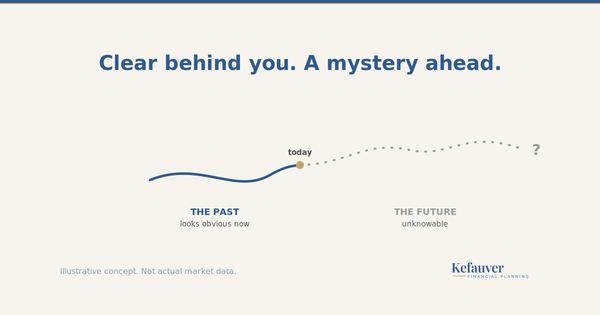
You can't control the market. You can't predict the next crisis or how bad it'll get. The one thing you control is how you respond. And the pull toward pessimism is strongest exactly when it's most expensive to give in to it.
Choosing optimism isn't naivety, and it isn't a guarantee. It's simply the best the long record has to offer. So when pessimism starts to look like the smart, sober, realistic choice—and it always does, right at the worst moment—remember that the record has been resilience and growth. Side with history, not against it.