Nobody Rings a Bell at the Bottom

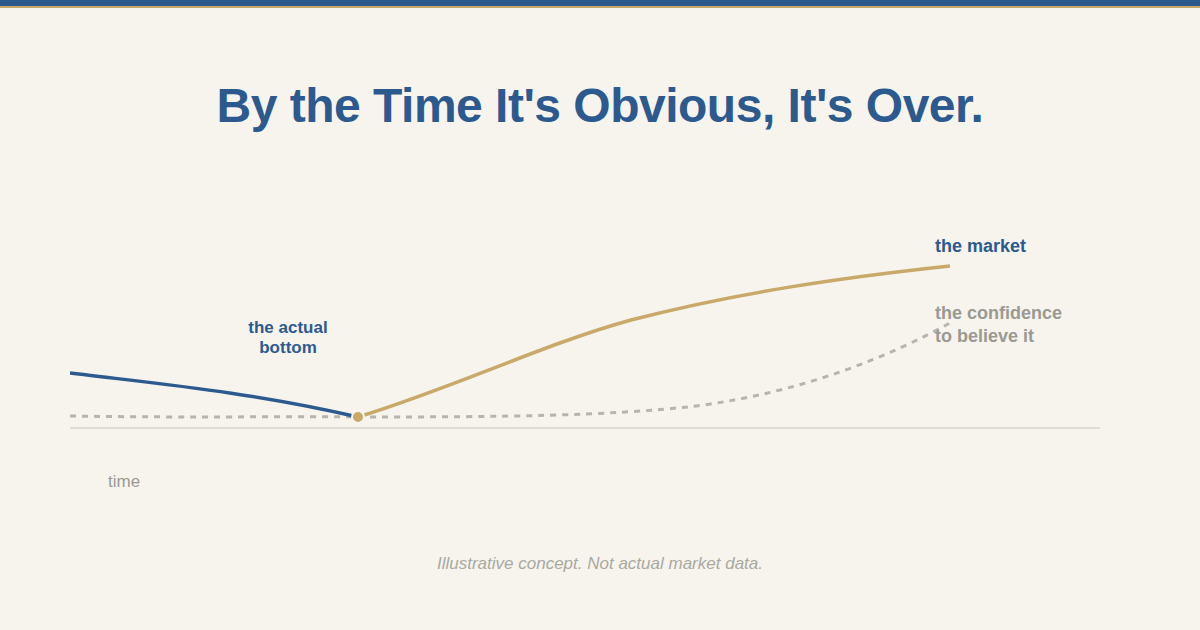
There's an old line on Wall Street: nobody rings a bell at the bottom. It sounds like a cliché until you look at an actual example of it, and 2008 gives you about as clean a one as market history has to offer.
The S&P 500 bottomed on March 9, 2009, at 676. If you'd asked anyone that week whether the worst was over, you'd have been laughed out of the room. Unemployment was still climbing and wouldn't peak for another seven months. Foreclosures kept rising into 2010. More banks failed in 2009 than had failed the year before, by a wide margin. Every headline available at the time pointed the same direction: down. And yet the bottom had already happened. By the end of that same year, the index had climbed back to 1,115, a gain of more than 60% from a low nobody had recognized as a low until well after the fact.
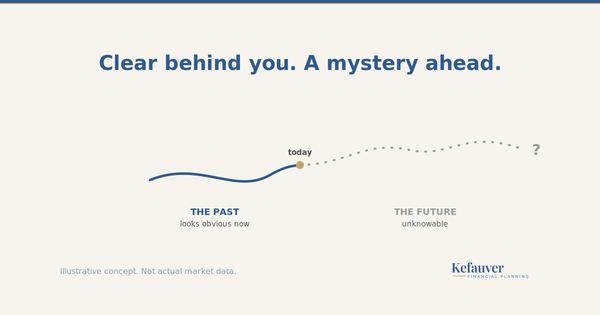
That gap between what happened and when people believed it happened is the part worth sitting with. It isn't unique to 2008. It's how bottoms work generally. The data that would confirm a recovery, jobs, defaults, credit conditions, lags the market by months, sometimes longer, because markets are pricing in a future that hasn't shown up in the numbers yet. By the time the evidence catches up and convinces everyone the coast is clear, most of the gain is already behind you.
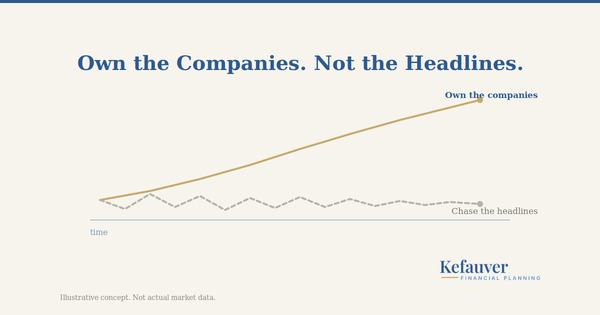
Waiting for confirmation is, in practice, waiting for the recovery to be mostly over. That's not a reason to try to guess at bottoms either; nobody can reliably call one in real time, and trying is its own kind of mistake. It's a reason to have a plan in place before the next uncertain stretch arrives, one that doesn't depend on the headlines feeling better before you're willing to stay invested.
Eighteen years on, the lesson isn't really about Lehman Brothers or AIG or any of the specific names from that fall. It's that the moment things start getting better rarely feels like it, and the surest way to miss the recovery is to wait until it's obvious.
If you'd like this kind of perspective in your inbox on a regular basis, that's what The Memo is for. It's free, it's short, and you can sign up below.